

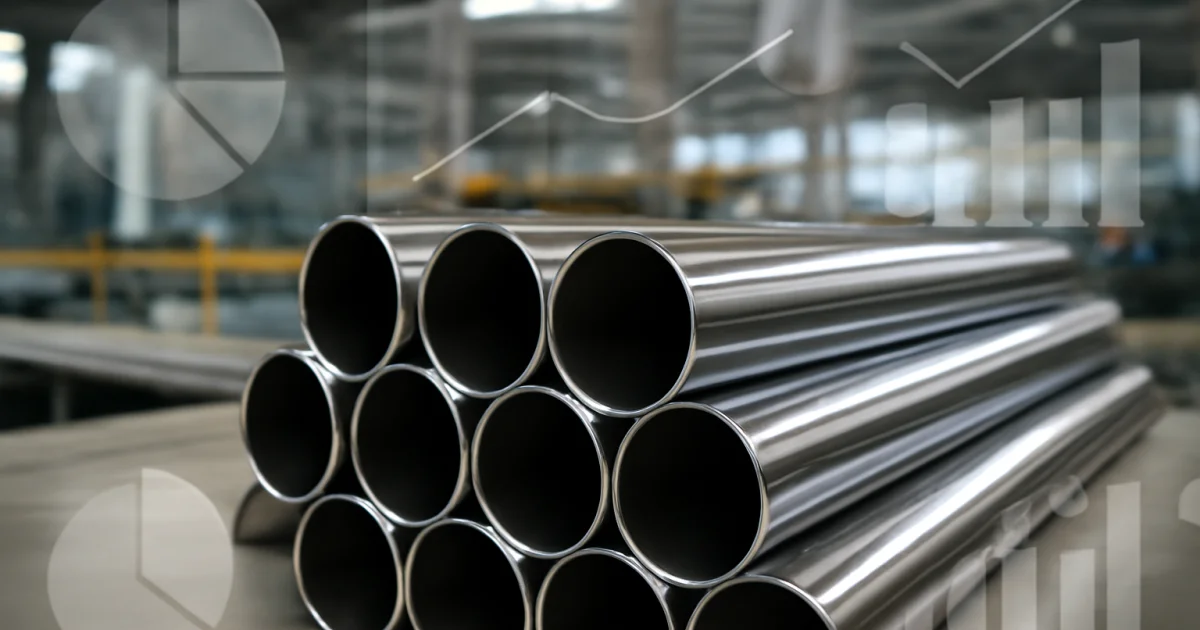

Adoption Trends: Stainless Steel Tubing in Malaysian Manufacturing
Stainless steel tubing has become a cornerstone of modern manufacturing in Malaysia, supporting diverse sectors from electronics to petrochemicals. As the demand for robust, hygienic, and corrosion-resistant piping solutions grows, project managers, plant engineers, and procurement teams are turning to stainless steel tubing for both new installations and system upgrades. This article explores recent trends, drivers, and practical applications, highlighting why stainless steel tubing is increasingly favored across Malaysian industries.
Why Malaysian Manufacturers Are Choosing Stainless Steel Tubing
One of the primary reasons for the strong adoption of stainless steel tubing in Malaysia is its exceptional resistance to corrosion and chemical attack. In industries such as electronics, food processing, and water treatment, maintaining the purity of fluids and preventing system contamination is essential. Stainless steel tubing meets these demands by providing a clean, non-reactive pathway for liquids and gases.
Additionally, the mechanical strength and high temperature tolerance of stainless steel make it suitable for challenging environments. This has led to greater use in sectors like steel mills, automotive manufacturing, and marine engineering where system reliability is critical. Compared to traditional piping materials, stainless steel requires less frequent replacement, reducing maintenance costs and operational downtime for manufacturers.
Key Sectors Driving Adoption in Malaysia
Malaysian manufacturing encompasses a broad range of industries, many of which are increasingly specifying stainless steel tubing for their fluid handling and process systems. Notable sectors include:
- Electronics & Semiconductor: Used for ultrapure water delivery, chemical distribution, and cooling systems.
- Food, Beverage & Water Treatment: Essential for hygienic transfer of ingredients, water, and cleaning fluids.
- Oil, Gas & Petrochemical: Deployed in high-pressure and corrosive applications, ensuring safety and compliance.
- Automotive & Engineering: Implemented in hydraulic lines, exhaust systems, and testing rigs for durability.
- Aerospace & Maritime: Chosen for weight efficiency and corrosion resistance in demanding environments.
This wide adoption is supported by Malaysia’s ongoing industrialization and a growing need for reliable, standards-compliant tubing systems. As manufacturers expand or upgrade their facilities, stainless steel’s long-term cost efficiency and safety benefits make it an increasingly popular choice.
Major Drivers Behind the Shift
Several factors are accelerating the adoption of stainless steel tubing in Malaysian industries:
- Stringent Quality Standards: Global and local regulations require materials that minimize contamination and support high purity, especially in food, water, and semiconductor sectors.
- Operational Efficiency: Reduced downtime and longer service life contribute to better equipment utilization, a priority for competitive manufacturers.
- Industry 4.0 and Automation: Modern production technologies favor robust, leak-free systems that can withstand higher pressures and temperatures.
- Safety and Environmental Concerns: Stainless steel is non-toxic, recyclable, and supports clean operations, aligning with sustainability goals.
Procurement professionals and engineers increasingly specify stainless steel tubing when sourcing for tube fittings, hydraulic systems, and process lines. The compatibility of stainless steel with advanced hydraulic hoses, pneumatic seals, and industrial valves further enhances its value proposition.
Practical Applications and Benefits
In the field, stainless steel tubing is utilized in a wide array of process and utility systems:
- Hydraulic and Pneumatic Systems: Used for transporting oil, water, air, and other fluids under pressure, ensuring system integrity and leak prevention.
- Chemical and Process Lines: Reliable for handling aggressive chemicals and high-temperature fluids, reducing the risk of system failure.
- Instrumentation Tubing: Supports precise measurement and control by maintaining consistent internal conditions.
- Sanitary Applications: Favored in food, beverage, and water treatment where hygiene is critical.
Manufacturers in Malaysia also value the quick availability of compatible hydraulic hose components, O-rings, and industrial valves that integrate seamlessly with stainless steel tubing. This ecosystem of reliable fittings, seals, and accessories simplifies new system setups and maintenance.
Challenges and Considerations in Adoption
While benefits are clear, some Malaysian manufacturers face challenges when transitioning to stainless steel tubing:
- Initial Investment: The upfront cost can be higher than alternatives like PVC or mild steel, but lifecycle savings often justify the expense.
- Specification Complexity: Selecting the right grade, wall thickness, and fitting compatibility requires technical expertise and supplier support.
- Installation Skills: Proper installation is crucial to maintain performance and prevent leaks. Working with experienced contractors or suppliers is recommended.
To overcome these challenges, many project managers partner with suppliers that offer technical guidance, product selection support, and after-sales service for their tubing and related components.
Looking Ahead: The Future of Stainless Steel Tubing in Malaysia
The outlook for stainless steel tubing in Malaysian manufacturing remains strong as industries continue to modernize. Increasing adoption is expected in advanced sectors such as precision engineering, shipbuilding, and high-tech manufacturing, where performance and reliability are paramount.
As sustainability and operational efficiency become even more central to industrial success, stainless steel’s recyclability and low maintenance needs will reinforce its position. With a comprehensive range of compatible products—such as hose fittings, seals, and valves—readily available in the Malaysian market, manufacturers can confidently specify stainless steel tubing for both new builds and retrofits.
Statistical Insights and Market Growth in Malaysia
Recent industry analyses indicate that the Malaysian market for advanced tubing solutions is experiencing steady growth. According to the Malaysian Investment Development Authority (MIDA), demand for corrosion-resistant piping, particularly stainless steel types, has risen by over 15% in the past five years. This growth is most pronounced in high-value sectors such as electronics, semiconductors, and food processing, where compliance with international standards is pivotal. A market survey conducted by the Federation of Malaysian Manufacturers (FMM) found that nearly 60% of surveyed facilities have upgraded at least part of their piping systems to stainless steel within the last three years, citing reliability and regulatory compliance as primary motivators.
In the petrochemical and water treatment sectors, adoption rates are climbing due to stricter environmental regulations and the need for sustainable, long-lasting infrastructure. Experts estimate that by 2027, stainless steel-based piping will account for more than 40% of all new industrial fluid transport installations in Malaysia, reflecting a significant shift from legacy materials such as carbon steel and PVC.
Case Study: Upgrading an Electronics Manufacturing Facility
Consider the example of a mid-sized electronics manufacturer in Penang. Faced with recurring contamination issues and frequent maintenance on traditional piping, the facility management decided to transition to stainless steel tubing for its ultrapure water and chemical distribution systems. The upgrade process included a thorough assessment of fluid compatibility, pressure requirements, and hygiene standards. By collaborating closely with a specialized supplier, the project team selected the optimal tubing grade and fittings. Within one year of installation, the manufacturer reported a 40% reduction in maintenance costs and a measurable decrease in system downtime, directly boosting productivity and product quality.
Conclusion
Stainless steel tubing is steadily becoming the standard for Malaysian manufacturers that prioritize durability, safety, and system efficiency. Its widespread adoption across sectors from electronics to marine engineering underscores its versatility and long-term value. As the manufacturing landscape evolves, stainless steel tubing will remain a key enabler of reliable, future-ready industrial systems in Malaysia.
For those seeking expert advice or a one-stop solution for stainless steel tubing, tube fittings, and complementary components, partnering with experienced suppliers provides added confidence and technical support throughout the project lifecycle. To explore more about tubing systems and related solutions, visit the 3 Common Questions About The Tubing System article or browse Sunseal’s extensive product range.
Frequently Asked Questions
What are the main benefits of using stainless steel tubing in Malaysian industries?
Stainless steel tubing offers superior corrosion resistance, durability, and hygiene, making it ideal for demanding industrial environments. It supports efficient operations, reduces maintenance needs, and meets stringent quality and safety standards across sectors such as food processing, electronics, and petrochemicals.
How do I choose the right stainless steel tubing for my application?
Selecting the right tubing involves considering factors like fluid type, operating pressure and temperature, compatibility with fittings and seals, and compliance with industry standards. Consulting with experienced suppliers helps ensure you pick the correct grade, wall thickness, and accessories for your specific needs.
Is stainless steel tubing compatible with hydraulic and pneumatic systems?
Yes, stainless steel tubing is widely used in hydraulic and pneumatic systems for its strength, leak resistance, and ability to handle high-pressure applications. It pairs well with a range of fittings, seals, and valves commonly used in Malaysian manufacturing.
What challenges might manufacturers face when adopting stainless steel tubing?
Some challenges include higher initial investment compared to other materials, the need for precise specification and installation, and ensuring compatibility with existing system components. However, the long-term benefits often outweigh these hurdles.
Where can I get technical support or guidance for stainless steel tubing systems in Malaysia?
Specialized suppliers like Sunseal Enterprise Sdn. Bhd. offer technical product support, helping clients with selection, installation, and system optimization for stainless steel tubing and related components.
Looking for Reliable Stainless Steel Tubing Solutions in Malaysia?
Sunseal Enterprise Sdn. Bhd. provides a comprehensive range of stainless steel tubing, industrial hose fittings, seals, valves, and related components to meet the demanding needs of Malaysian manufacturers. Rely on our expertise since 2006 for technical support, high-quality products, and solutions tailored to your industry.