


Explaining the Role of Oil Seals for Industrial Machinery in Malaysia
In Malaysia’s rapidly advancing industrial sector, keeping machinery running smoothly is critical for productivity and cost control. Among the many components that ensure reliable operation, oil seals play an essential—yet often overlooked—role in protecting equipment from costly breakdowns and premature wear. Understanding the function and importance of oil seals helps industrial operators, maintenance teams, and procurement professionals make informed decisions that safeguard their assets and operations. For readers comparing options, Oil Seals Malaysia is the main topic this guide explains.
What Are Oil Seals and How Do They Work?
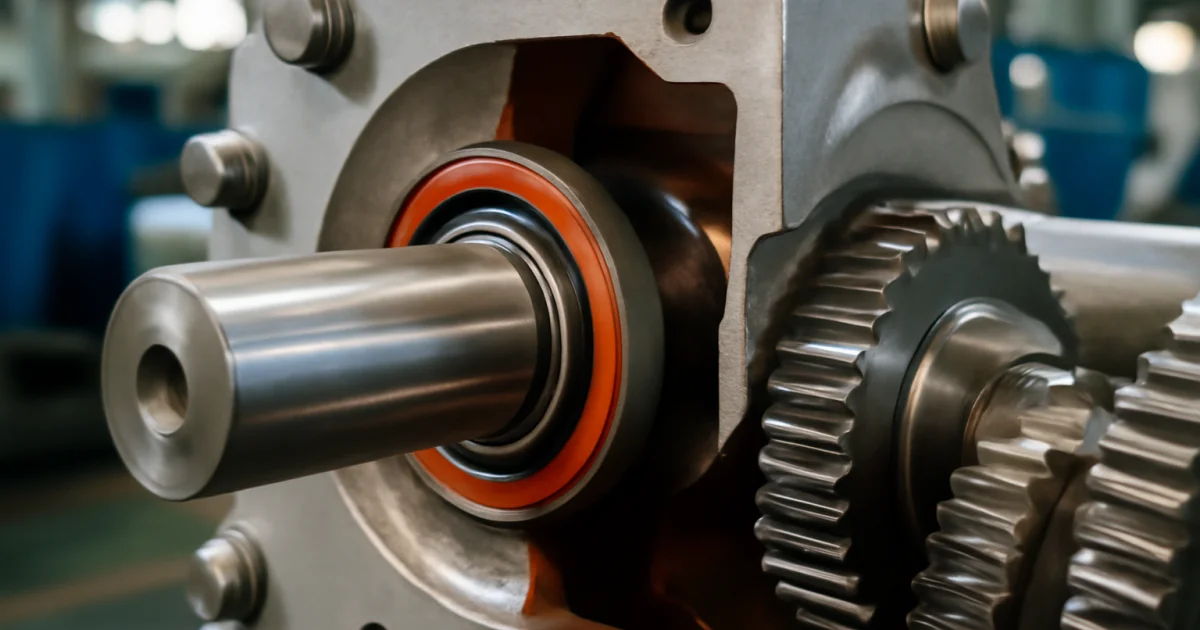
Oil seals, sometimes called rotary shaft seals or grease seals, are mechanical devices designed to prevent the leakage of lubricants and the ingress of contaminants at points where rotating or reciprocating shafts pass through housing components. They are widely used in various types of machinery, including pumps, motors, gearboxes, and hydraulic equipment found across Malaysia’s factories, steel mills, automotive plants, and more.
The typical oil seal consists of three main elements:
- Sealing Lip: The flexible part that maintains contact with the shaft, forming a tight barrier against oil or grease leakage.
- Metal Case: Provides structural support and helps the seal remain firmly seated in the housing.
- Spring: Often included to ensure consistent pressure between the lip and the shaft, even as parts wear over time.
When installed correctly, oil seals maintain lubrication inside while keeping dust, dirt, water, and other contaminants out. This dual function is particularly vital in Malaysia’s humid and often challenging industrial environments, where equipment is exposed to moisture and airborne particles.
The Importance of Oil Seals in Industrial Machinery
Oil seals are not just simple accessories—they are a frontline defense for industrial equipment. Their proper function has several crucial benefits:
- Prevents Lubricant Loss: By retaining oil or grease within the equipment, oil seals reduce the need for frequent top-ups and help maintain optimal operating conditions for bearings and moving parts.
- Protects Against Contaminants: Seals block the entry of dust, dirt, and water that could otherwise mix with lubricants, causing abrasion, corrosion, or chemical breakdown of critical components.
- Reduces Downtime: By minimizing wear and preventing leaks, oil seals help decrease unscheduled maintenance and breakdowns, saving both time and money.
- Extends Equipment Life: Well-maintained seals contribute to longer service intervals and prolonged machinery lifespan, an important consideration for industries such as steel mills, electronics manufacturing, and petrochemical processing.
In Malaysia’s competitive industrial landscape, attention to these details is key for maintaining efficiency and minimizing operational costs.
Common Applications for Oil Seals in Malaysian Industries
Oil seals are found throughout a wide range of industrial sectors in Malaysia. Some of the most common applications include:
- Hydraulic Systems: Used in pumps, cylinders, and motors to prevent hydraulic oil from escaping and to protect internal mechanisms from contamination.
- Automotive Manufacturing: Essential in transmissions, axles, and engines where rotating shafts require reliable sealing to keep lubricants in and debris out.
- Steel Mills & Metal Fabrication: Oil seals are crucial for heavy-duty equipment operating under high loads and harsh environmental conditions, such as rolling mills and presses.
- Food, Beverage & Water Treatment: Seals are used in pumps and mixers, where hygiene and contamination prevention are especially important.
- Oil, Gas & Petrochemical: Industrial pumps, compressors, and valves rely on robust seals to handle aggressive fluids and high pressures.
The diversity of applications underscores the need for high-quality oil seals that meet the specific demands of each industry. For example, some environments require seals resistant to high temperatures, aggressive chemicals, or high pressure, while others prioritize food-grade or hygienic materials.
Key Factors in Selecting Oil Seals for Industrial Machinery
Choosing the right oil seal is more than a matter of size. Several factors must be considered to ensure optimal performance and longevity:
- Material Compatibility: The seal material must withstand the temperature, pressure, and chemical environment of the application. Common materials include nitrile rubber (NBR), fluoroelastomer (FKM/Viton), silicone, and PTFE.
- Shaft and Housing Specifications: Proper fit is essential. The shaft’s surface finish, hardness, and speed all influence seal performance.
- Type of Fluid: Seals must be compatible with the lubricants or process fluids used, whether mineral oil, synthetic lubricants, water, or food-grade oils.
- Operating Conditions: Consider the pressure, speed, temperature, and exposure to contaminants. Some seals are designed for high-pressure hydraulic systems, while others are optimized for low-speed shafts.
- Standards and Certifications: In many Malaysian industries, compliance with ANSI, ASME, or other international standards is required to ensure reliability and safety.
Working with a supplier who understands local industry requirements and offers technical support can greatly simplify the selection process. Seals Gasket from Sunseal Enterprise Sdn. Bhd. is one example of a product line tailored to industrial needs in Malaysia.
Oil Seal Maintenance and Replacement Best Practices
Even the best oil seals will eventually wear out. Proactive maintenance is key to preventing leaks and secondary damage:
- Regular Inspection: Check for signs of oil leakage, cracks, hardening, or lip wear during scheduled maintenance.
- Clean Installation: Always clean the shaft and housing before installing new seals to prevent debris from damaging the sealing lip.
- Use Proper Tools: Specialized tools ensure seals are installed to the correct depth and alignment, minimizing the risk of premature failure.
- Replace as a Set: When overhauling equipment, consider replacing all related seals, O-rings, and gaskets to restore full integrity.
- Monitor Related Components: Excessive shaft wear or misalignment can cause even new seals to fail. Address root causes, not just symptoms.
Reliable suppliers can provide not only quality oil seals but also technical advice on installation and maintenance. This approach reduces unplanned downtime and protects your investment in industrial machinery.
Conclusion: The Value of Quality Oil Seals for Malaysian Industry
Oil seals are indispensable for the reliable operation of industrial machinery across Malaysia’s key sectors. From preventing lubricant loss and contamination to extending equipment lifespan, the right seals make a measurable impact on productivity and maintenance costs. By understanding how oil seals work, where they are used, and how to select and maintain them, industrial operators and maintenance teams can ensure smoother operations and fewer disruptions.
If you’re seeking expert guidance or a comprehensive range of sealing products, partnering with a trusted supplier like Sunseal Enterprise Sdn. Bhd. can provide peace of mind and lasting results. Explore further solutions for industrial hose fittings and accessories or learn more about industry standards like ANSI flanges to support your facility’s needs.
Frequently Asked Questions
What is the main purpose of an oil seal in industrial equipment?
The main purpose of an oil seal is to prevent lubricants from leaking out of machinery and to block contaminants such as dust, dirt, or water from entering. This helps maintain proper lubrication, ensures smooth operation, and extends the lifespan of industrial equipment.
How do I choose the right oil seal for my machinery?
Select an oil seal based on factors like material compatibility, shaft size, operating temperature, pressure, and type of fluid. It’s important to consider the specific working environment and consult with a knowledgeable supplier to ensure the best fit for your application.
How often should oil seals be replaced in industrial machinery?
Oil seals should be inspected regularly as part of routine maintenance. Replacement frequency depends on application conditions, but seals are typically replaced when there are signs of leakage, wear, or during major equipment overhauls.
Can oil seals handle high-pressure hydraulic systems?
Many oil seals are designed to withstand the pressures found in hydraulic systems, but it is crucial to select seals specifically rated for high-pressure applications. Always verify compatibility with your supplier.
What does ANSI mean and why is it relevant to oil seals?
ANSI stands for the American National Standards Institute. In the context of oil seals and related components, ANSI standards ensure products meet recognized requirements for quality, safety, and performance, which is important for industrial reliability.
Protect Your Machinery with Quality Oil Seals from Sunseal Enterprise Sdn. Bhd.
Ensure the reliability and longevity of your industrial equipment with premium oil seals and sealing solutions from Sunseal Enterprise Sdn. Bhd. Our comprehensive range covers hydraulic, pneumatic, and process applications, all supported by technical expertise for Malaysian industries.
Contact us today to discuss your requirements and safeguard your operations.