



Description
Hydraulic Hose Malaysia
Sunseal supplies hydraulic hose Malaysia solutions for different industrial fluid-power applications, from lower-pressure requirements to high-pressure hydraulic systems.
Hydraulic hoses are flexible fluid-transfer components used to connect different parts of a hydraulic system. Depending on the equipment, they may connect pumps, valves, cylinders and other hydraulic components where flexibility and movement are required.
Choosing the appropriate hydraulic hose requires more than matching the hose diameter. Important considerations include:
- Required working pressure
- Hose inside diameter and size
- Type of hydraulic fluid
- Operating temperature
- Hose routing and bend requirements
- Connection and fitting requirements
- Equipment movement and application
- Existing hose specifications, where available
The hose should be selected according to the equipment manufacturer’s requirements and the actual system conditions.

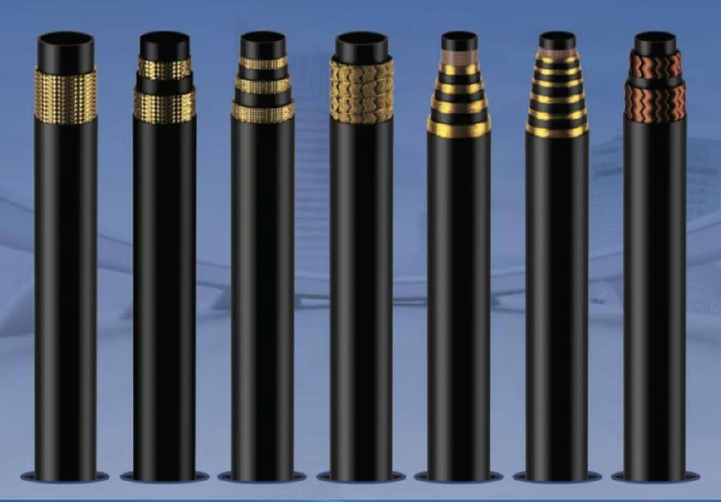
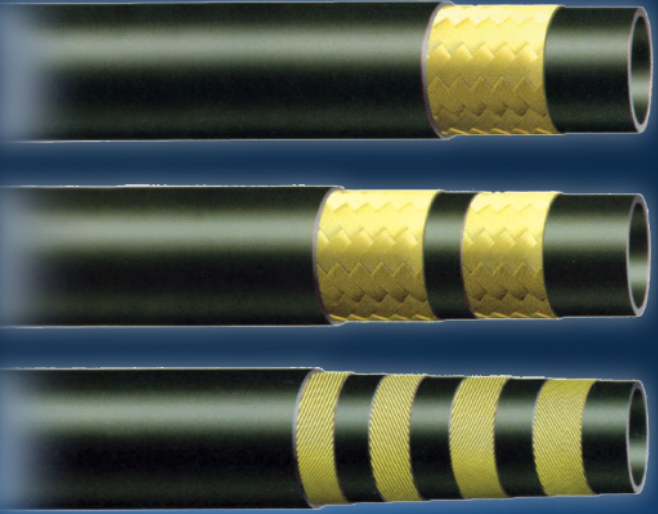
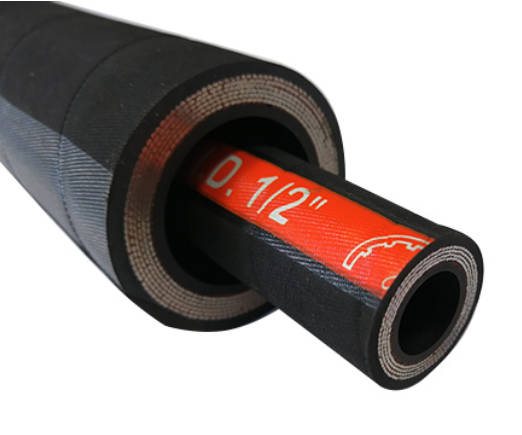
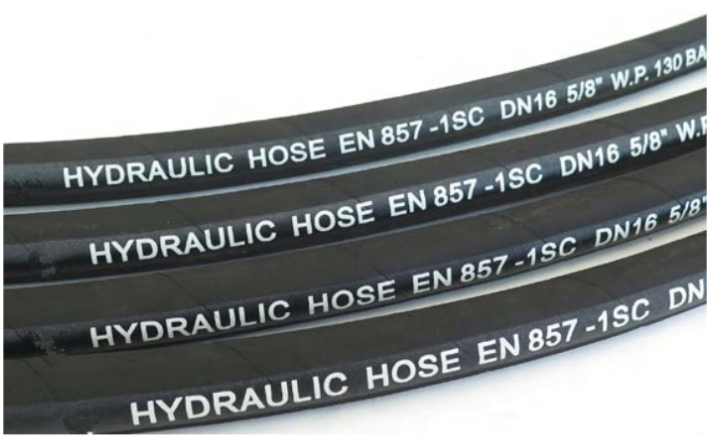
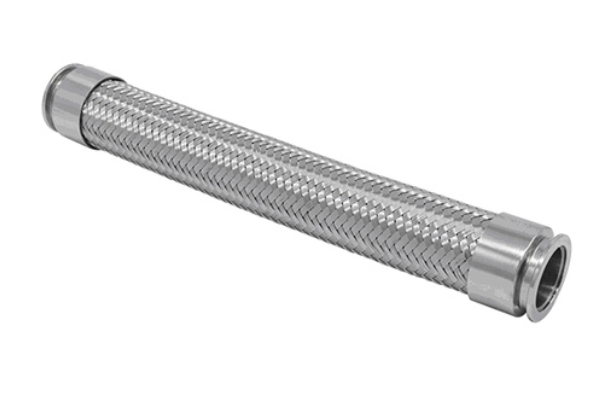
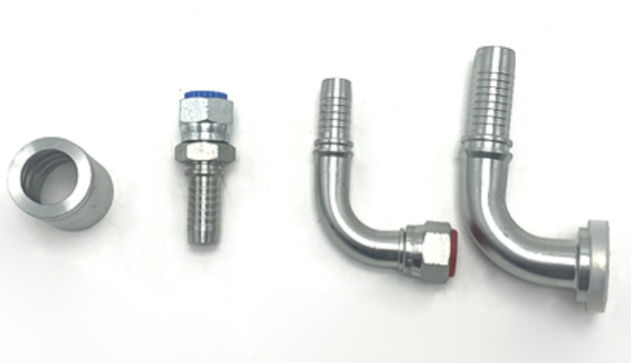
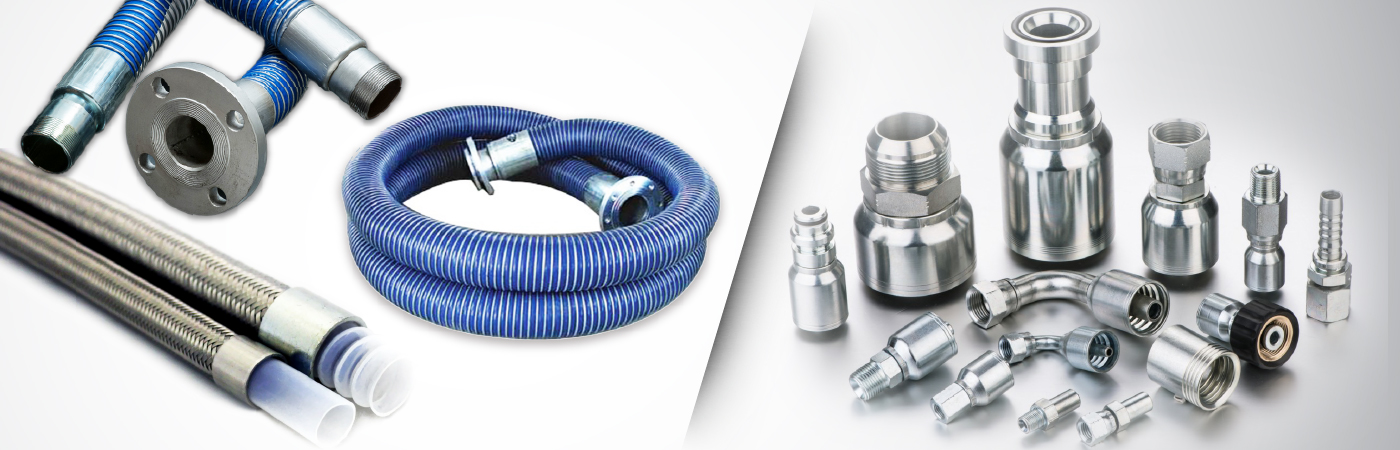
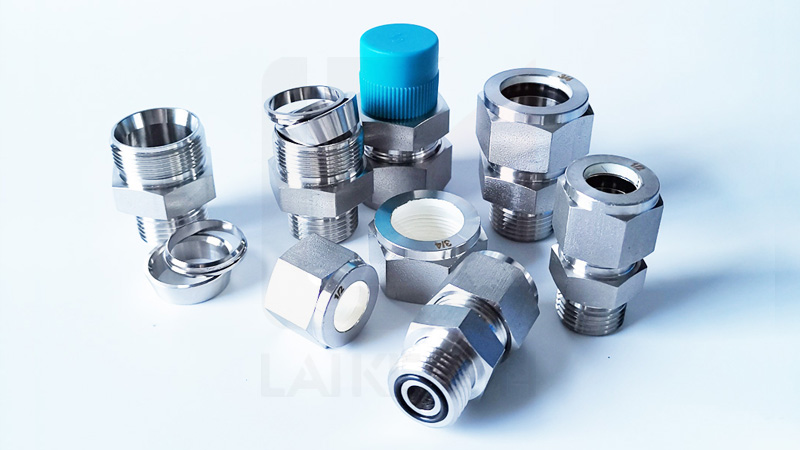
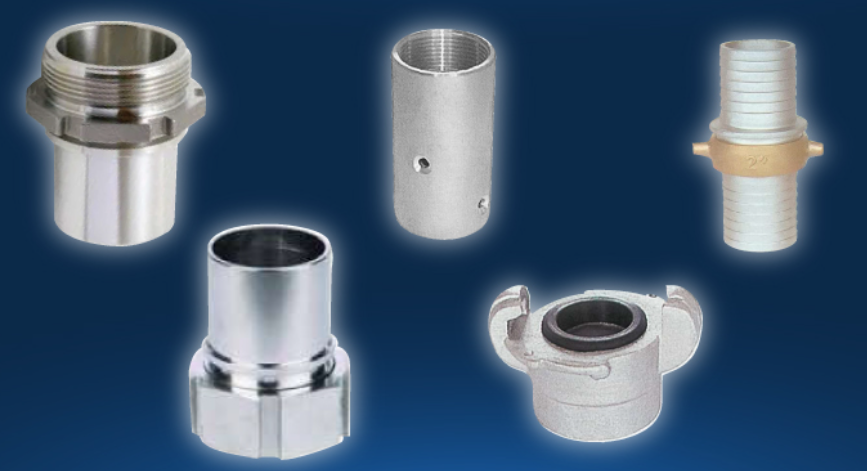
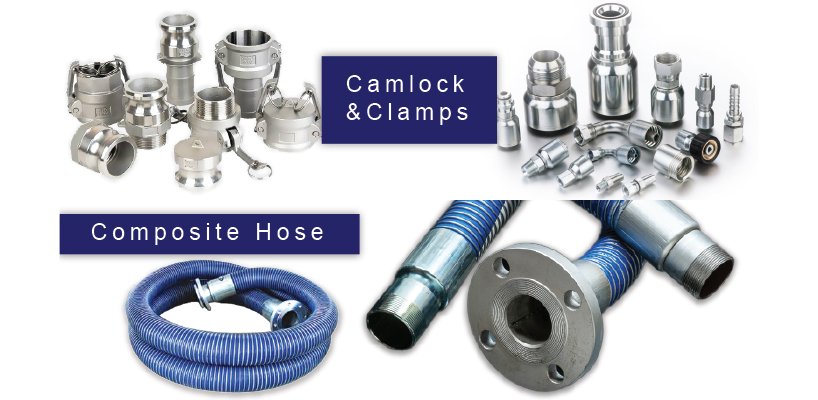
Hydraulic Hose Assemblies and Components
A hydraulic hose installation involves more than the hose itself. Connections and related components must also be suitable for the system’s pressure, fluid and connection requirements.
Sunseal’s hydraulic product range includes hoses together with related accessories and components for different hydraulic applications.
Where a system requires connectors, adapters, couplings or other connections, Sunseal also supplies hydraulic fittings for hoses, tubing and piping systems.
Matching the hose and fitting correctly is particularly important because the connection forms part of the complete hydraulic fluid path.
Choosing a Hydraulic Hose
When replacing an existing hydraulic hose, start by checking the markings and specifications of the existing hose where they are still available.
Useful information to provide includes:
- Existing hose size and length
- Hose markings or part number
- Working pressure requirement
- Hydraulic fluid used
- Connection or fitting type
- Equipment make and model
- Operating temperature
- Application and installation conditions
Photographs of the existing hose, connections and equipment can also help identify the required configuration where complete specifications are unavailable.
For new installations, the hose and related components should be selected according to the system design and equipment requirements rather than based only on physical size.
Related Hydraulic System Components
A hydraulic system commonly works through several connected components, including hoses, pumps, valves, fittings and actuators.
For applications requiring fluid-power generation, Sunseal also supplies hydraulic pumps through its Motor & Pump range.
Sunseal also supplies valves and pressure regulators for industrial fluid-handling applications where flow isolation, control or pressure regulation is required.
For hydraulic hoses exposed to external abrasion or demanding installation environments, hose protectors are also available as part of Sunseal’s hose-related product range.
Frequently Asked Questions (FAQs)
What information should I provide when requesting a hydraulic hose?
Provide the hose size and length, working pressure, hydraulic fluid, connection type and equipment information where available. Existing hose markings, part numbers and photographs can also help identify the required hose.
Can I replace a hydraulic hose based only on its size?
Not recommended. Two hoses of similar dimensions may have different pressure, temperature, fluid compatibility or construction requirements. Check the original hose specification and equipment requirements before selecting a replacement.
How do I know which hydraulic fitting is required for my hose?
Check the fitting type, connection size, thread or connection specification and equipment interface. If these details are unclear, providing photographs and dimensions of the existing connection can help with identification.
When should a hydraulic hose be replaced?
Inspect hydraulic hoses regularly according to the equipment manufacturer’s maintenance recommendations. Replacement may be required if there are signs of damage, leakage, abrasion, cracking, deformation or deterioration around the hose or connections.
Does Sunseal supply hydraulic pumps as well as hydraulic hoses?
Yes. Sunseal’s Motor & Pump range includes hydraulic pump solutions for industrial applications. The appropriate pump depends on factors such as the required flow, pressure, fluid and system requirements.
Does Sunseal supply protection for hydraulic hoses?
Yes. Sunseal offers hose protectors, including guards and sleeves, for applications where hoses require additional protection from external wear or environmental exposure.