


Best Practices for Selecting Hydraulic Hose in Malaysia: Ensuring Safety and Efficiency
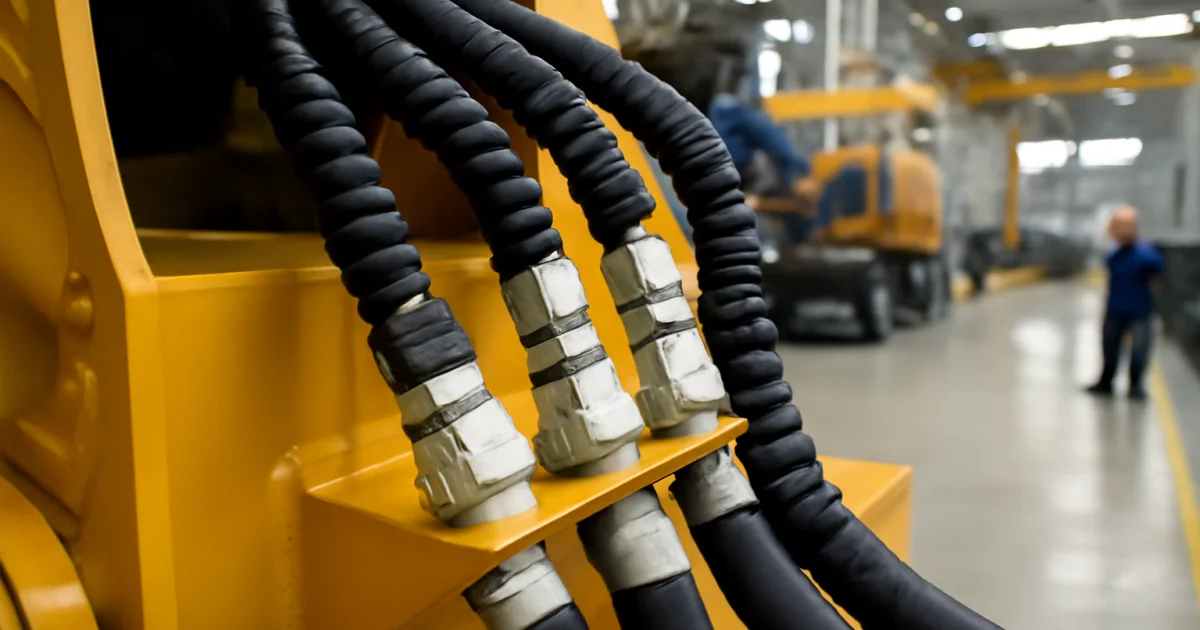
Hydraulic hoses are the backbone of modern industrial operations, transferring fluid power that drives production machinery, heavy equipment, and automated processes. In Malaysia’s fast-growing industries—from steel mills to semiconductor manufacturing—the right hydraulic hose is a critical factor for both safety and long-term efficiency. This guide covers best practices for selecting hydraulic hoses in Malaysia, helping industrial buyers and maintenance teams make informed, reliable decisions. For readers comparing options, Hydraulic Hose Malaysia is the main topic this guide explains.
Understanding Hydraulic Hose Applications in Malaysia
Malaysia’s industrial landscape is diverse, with sectors such as automotive, oil and gas, food processing, and water treatment relying heavily on hydraulic hoses to ensure seamless fluid transfer. Each application comes with unique demands regarding pressure, temperature, chemical compatibility, and environmental conditions. For example, hoses used in offshore oil platforms must resist corrosion, while those in food processing must meet strict hygiene requirements.
Before selecting a hose, it’s essential to assess:
- System Pressure: Ensure the hose can handle both the working and peak pressures of your application.
- Fluid Compatibility: Match hose material with the type of hydraulic fluid or media—such as oil, water, or chemicals—in use.
- Temperature Range: Select hoses rated for the minimum and maximum temperatures encountered.
- Environmental Exposure: Consider factors like UV, ozone, abrasion, and potential chemical splashes.
Choosing the correct hose for your specific application is the foundation of operational safety and efficiency.
Key Factors When Selecting a Hydraulic Hose
To ensure optimal performance and safety, consider these factors during your selection process:
- Hose Construction and Materials: Hydraulic hoses are made from layers of synthetic rubber, thermoplastics, or reinforced with wire braiding or spirals. The construction affects flexibility, pressure rating, and durability. For demanding environments, reinforced hoses with multiple wire layers or specialized covers offer superior protection.
- Size and Length: The hose’s inside diameter (ID) must match the required fluid flow rate, while length should accommodate movement without causing kinks or excessive bends. Always use manufacturer charts or consult with experts to ensure sizing accuracy.
- End Fittings and Connections: Properly matched fittings are vital for leak-free operation. In Malaysia, common choices include threaded, flange, and quick connect fittings designed to fit local and international standards. The right fittings ensure compatibility with pumps, valves, and tubing systems.
- Compliance with Standards: Select hoses and fittings that comply with recognized standards such as ISO or ANSI. ANSI (American National Standards Institute) specifications ensure reliability, pressure tolerance, and interchangeability. Always verify the manufacturer’s certifications when sourcing hydraulic hoses in Malaysia.
- Protective Accessories: Use hose protectors and clamps to reduce wear, prevent abrasion, and improve system longevity—especially in heavy machinery or exposed installations. Hose protectors can make a significant difference in high-traffic or hazardous areas.
Ensuring Safety in Hydraulic Systems
Safety is paramount in any hydraulic system. Poor hose selection or improper installation can lead to leaks, bursts, equipment damage, or even workplace injury. Here are essential safety practices:
- Regular Inspection: Visually inspect hoses for cracks, bulges, abrasion, or leaks. Replace compromised hoses immediately to prevent catastrophic failures.
- Proper Installation: Avoid tight bends or twists during installation, as these can weaken hose walls and reduce service life. Follow the manufacturer’s minimum bend radius guidelines.
- Correct Assembly: Ensure fittings are installed using the recommended crimping or assembly process. Improper connections are a leading cause of leaks and burst hoses.
- Pressure Testing: After installation, pressure-test the system according to industry best practices before full operation. This step verifies that hoses and fittings can withstand operational pressures.
- Use of Quality Seals and O-Rings: Components like O-rings, oil seals, and pneumatic seals are crucial for leak prevention and system reliability. Always use high-quality, compatible sealing products to maintain safe and efficient operation.
Implementing these practices reduces the risk of downtime, accidents, and costly repairs.
Improving Efficiency with the Right Hydraulic Hose
Efficiency in hydraulic systems is not just about choosing a hose that works, but selecting one that optimizes flow, minimizes pressure drops, and reduces maintenance needs. Here’s how to maximize system efficiency:
- Match Hose to Application: Selecting hoses specifically designed for your application—such as high-pressure, high-temperature, or chemical-resistant models—reduces energy loss and wear.
- Choose High-Quality Components: Investing in premium hoses, seals, and fittings from reputable suppliers like Sunseal Enterprise Sdn. Bhd. ensures longer service intervals and fewer breakdowns.
- Use Compatible Tube Fittings: Proper tube fittings and accessories prevent fluid leaks and maintain flow efficiency, especially in complex installations.
- Plan for Maintenance: Partnering with suppliers who offer technical support and maintenance services streamlines preventive care and troubleshooting, keeping your system running at peak performance.
Efficient hydraulic systems result in lower operational costs and higher productivity for Malaysian industries.
Common Mistakes to Avoid When Choosing Hydraulic Hoses
Even experienced buyers and engineers can make costly mistakes when specifying hydraulic hoses. Avoid these frequent pitfalls:
- Overlooking System Requirements: Failing to consider pressure spikes, temperature extremes, or fluid compatibility can result in premature hose failure.
- Improper Sizing: Using hoses with incorrect diameters reduces flow efficiency and increases stress on components.
- Ignoring Standards: Non-compliant hoses and fittings may not perform as needed, risking safety and warranty issues.
- Poor Installation Practices: Tight bends, twisting, or inadequate support can dramatically shorten hose lifespan.
- Neglecting Preventive Maintenance: Skipping regular inspections and timely replacements leads to unexpected failures and costly downtime.
Working with an experienced supplier that understands Malaysia’s industrial requirements helps prevent such issues and ensures compliant, reliable solutions.
Conclusion: Partner with Experts for Reliable Hydraulic Hose Solutions
Selecting the right hydraulic hose in Malaysia is about more than just matching specifications. It’s a process that requires understanding your system, prioritizing safety, complying with standards, and investing in high-quality components. By following these best practices, maintenance teams and engineers can safeguard operations, avoid downtime, and improve overall efficiency.
For guidance on hose selection, technical support, and supply of compliant products, consider partnering with experienced providers like Sunseal Enterprise Sdn. Bhd., who offer a comprehensive range of hydraulic hose components, fittings, tube solutions, and sealing products tailored for Malaysian industries.
Take the time to review your current systems, consult with experts, and make informed decisions—the result will be safer, more efficient, and more reliable industrial operations.
Frequently Asked Questions
What factors should I consider when choosing a hydraulic hose in Malaysia?
You should evaluate system pressure, fluid compatibility, temperature range, hose size, length, construction materials, and compliance with standards like ANSI or ISO. Environmental factors such as abrasion, chemical exposure, and UV resistance are also important.
Why are standards like ANSI important for hydraulic hoses?
ANSI (American National Standards Institute) standards ensure hydraulic hoses and related fittings meet rigorous requirements for pressure, safety, and compatibility. Using ANSI-compliant products helps guarantee reliability and safe operation in demanding Malaysian industrial environments.
How often should hydraulic hoses be replaced or inspected?
Hydraulic hoses should be inspected regularly—ideally at every maintenance interval or whenever system performance changes. Replace hoses immediately if you notice cracks, bulges, leaks, or signs of wear. Preventive replacement according to manufacturer recommendations reduces the risk of failure.
What is the role of seals and O-rings in hydraulic systems?
Seals and O-rings prevent fluid leakage and help maintain system pressure. Using high-quality, compatible seals is vital for the longevity and efficiency of your hydraulic equipment. Poor seals can lead to leaks, pressure loss, and equipment damage.
How do I ensure the correct hydraulic hose fittings are used?
Always match fittings to hose type and system requirements. Use fittings that comply with relevant standards and ensure proper installation technique—such as correct crimping or assembly—to prevent leaks and maintain system integrity.
Enhance Your Hydraulic Systems with Sunseal Enterprise Sdn. Bhd.
Looking for reliable hydraulic hose solutions in Malaysia? Sunseal Enterprise Sdn. Bhd. supplies a complete range of hoses, tube fittings, seals, O-rings, valves, pumps, and accessories for industrial applications. Our experience since 2006 and technical product support ensure you select the right components for safety and efficiency. Reach out today to discuss your requirements or request expert guidance for your next project.