

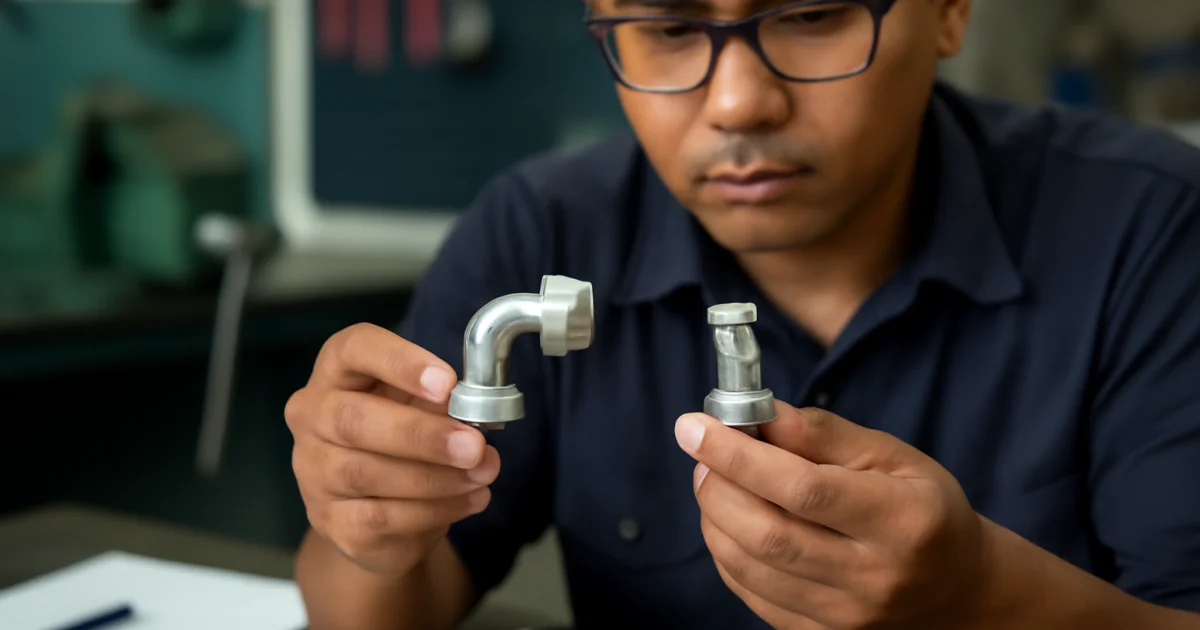

Expert Opinion: How to Choose the Right Hydraulic Fitting in Malaysia for Your Application
Hydraulic systems are the backbone of countless industries in Malaysia, from advanced electronics manufacturing to heavy-duty steel mills and automotive assembly lines. At the heart of these systems, hydraulic fittings play a crucial role in ensuring safe, efficient, and leak-free fluid transmission. As an industry expert with years of experience in industrial supply and application support, I have seen first-hand the difference that precision, compatibility, and thoughtful selection make in hydraulic performance and reliability. In this expert opinion piece, I’ll walk you through what truly matters when choosing the right hydraulic fitting in Malaysia for your specific needs. For readers comparing options, Hydraulic Fitting Malaysia is the main topic this guide explains.
Understanding the Role of Hydraulic Fittings
Hydraulic fittings are connectors that join hoses, tubes, and other components within fluid power systems. Their primary function is to maintain a secure and leak-proof connection under varying pressures and temperatures. In Malaysian industries—whether in semiconductor plants, steel fabrication, automotive manufacturing, or petrochemical processing—the wrong fitting can lead to costly downtime, safety hazards, and premature system failure.
There is no one-size-fits-all solution; every application demands consideration of material compatibility, pressure ratings, thread types, environmental exposure, and regulatory standards. Choosing a fitting is not just about picking the right size. It’s about ensuring every aspect of your system is aligned for safety, durability, and optimal performance.
Key Criteria for Selecting Hydraulic Fittings
- Material Compatibility: In Malaysia’s humid and sometimes corrosive industrial environments, fitting material is vital. Stainless steel, brass, and carbon steel are common, but each suits different fluids and conditions. For instance, stainless steel resists corrosion for marine or food processing uses, while brass may be suitable for pneumatic systems with lower pressures.
- Pressure & Temperature Ratings: Always verify that the fitting’s pressure and temperature ratings meet or exceed your system’s requirements. Overlooking this can lead to dangerous leaks or bursts. Look for fittings that comply with recognized international standards, such as those outlined by ANSI or ISO.
- Thread Type & Sealing Mechanism: Malaysian industries use a mix of BSP, NPT, metric, and JIC thread standards. Mismatched threads can cause leaks or mechanical failure. Additionally, consider whether your system benefits from O-ring face seals, compression fittings, or flare fittings for optimal sealing.
- Application Environment: Will the fitting face vibration, extreme temperatures, or chemical exposure? For example, shipbuilding and petrochemical applications may require fittings with enhanced sealing and corrosion resistance, while food or water treatment industries might prioritize hygienic designs.
- Ease of Maintenance and Replacement: Select fittings that are easy to assemble, disassemble, and replace—especially if frequent maintenance is expected. Quick-connect couplings or modular designs can save significant time for industrial maintenance teams.
Common Types of Hydraulic Fittings in Malaysia
Malaysian suppliers and manufacturers typically offer a wide range of hydraulic fitting types, including:
- Threaded Fittings: Such as BSP, NPT, and metric threads, commonly used in general industrial and automotive applications.
- Flange Fittings: ANSI flanges are favored for high-pressure industrial piping and heavy equipment. They offer robust sealing and easy installation for large-bore systems.
- Compression & Bite-Type Fittings: Ideal for hydraulic tubes and systems where leak-free performance is critical, such as in precision engineering or aerospace.
- Quick-Connect Couplings: These allow for rapid hose changes, minimizing downtime in production lines or mobile equipment.
- Specialty Fittings: For unique requirements, such as swivel fittings for movement or O-ring face seal types for high-pressure leak prevention.
For a deeper dive into tube fittings, see All You Need To Know About Tube Fittings.
Industry Standards and Compliance
Reliable fittings are not just about physical fit—they must also meet industry standards for safety and performance. In Malaysia, ANSI (American National Standards Institute) and ISO (International Organization for Standardization) standards are commonly referenced, especially for critical applications in oil & gas, shipbuilding, and water treatment sectors.
Using fittings that comply with recognized standards ensures consistency, interoperability, and a baseline of quality. For example, ANSI flanges and fittings are designed to withstand demanding pressure and temperature conditions, reducing the risk of failure. Always request documentation or certification from your supplier, particularly for mission-critical installations.
Learn more about ANSI flange requirements in Malaysia at Ansi Flange Malaysia Standards.
Common Mistakes and How to Avoid Them
- Mixing Thread Types: Attempting to connect BSP to NPT threads, or mismatched metric/imperial fittings, is a frequent cause of leaks. Always double-check thread compatibility before installation.
- Overlooking Seal Types: Not all systems require the same seal—some need O-rings, others may require metal-to-metal contact. Selecting the wrong sealing method can compromise system reliability.
- Ignoring Pressure Ratings: Using fittings or hoses with insufficient pressure ratings is a safety hazard. Always match or exceed system pressure demands.
- Neglecting Environmental Factors: Fittings exposed to corrosive chemicals, saltwater, or extreme heat need appropriate material selection—don’t cut corners here.
- Poor Maintenance Access: Inaccessible fittings complicate routine maintenance and increase downtime. Prioritize layout and fitting placement for easy access.
For more insights on hydraulic hose and fitting issues, visit 5 Things You Probably Might Not Know About Hydraulic Hoses.
Expert Recommendations for Malaysian Industries
From my experience supporting clients across Malaysia’s industrial sectors, here are some practical recommendations:
- Work closely with a reputable supplier who understands both local regulations and your industry’s unique demands.
- Request technical support or site surveys for complex installations—expert guidance can prevent costly mistakes.
- Choose fittings that offer not just compatibility, but also proven reliability and ease of maintenance. This is especially important for sectors like oil & gas, automotive, and food processing, where downtime can be expensive.
- Consider the full fluid delivery system: hoses, seals, tubes, and fittings must all be compatible. For example, pairing hydraulic hoses with the correct type of oil seals and pneumatic seals ensures leak-free operation across the system.
- Keep spare fittings, seals, and hoses on hand for rapid replacement during breakdowns, minimizing production interruptions.
If you need more details on hydraulic hoses and their compatible components, explore Hydraulic Hose Components and Sunseal Industrial Hose Fittings And Accessories.
Conclusion: Make Informed Decisions for Long-Term Reliability
Choosing the right hydraulic fitting in Malaysia is a process that demands more than just technical data sheets—it requires an understanding of your application, awareness of industry standards, and attention to practical installation and maintenance needs. By considering factors such as material compatibility, pressure ratings, thread types, and compliance with standards like ANSI, you ensure a safer, more efficient, and reliable hydraulic system.
For Malaysian industries, partnering with knowledgeable suppliers and leveraging expert advice is the best way to avoid costly errors and extend the lifespan of your equipment. Make your selection a strategic decision—your operations, safety, and productivity depend on it.
Frequently Asked Questions
What factors should I consider when choosing a hydraulic fitting in Malaysia?
Consider the fitting material, pressure and temperature ratings, thread type, sealing mechanism, and the specific environmental conditions of your application. Make sure the fitting is compatible with your hose or tube and meets relevant industry standards.
Why are ANSI standards important for hydraulic fittings?
ANSI (American National Standards Institute) standards ensure that hydraulic fittings meet specific safety, quality, and performance criteria. Using ANSI-compliant fittings helps guarantee reliability and compatibility, especially in high-pressure or regulated industrial environments.
Can I use the same fitting for both hydraulic and pneumatic systems?
Not always. Hydraulic and pneumatic systems may require different materials, pressure ratings, and sealing methods. Always check the manufacturer’s recommendations and use fittings specifically designed for your application.
How do I prevent leaks in hydraulic systems?
To prevent leaks, use compatible thread types and sealing methods, ensure correct installation torque, and select fittings made from materials suited to your operating environment. Regular maintenance and inspections are also essential.
What are the common types of seals used in hydraulic fittings?
Common seals include O-rings, oil seals, and pneumatic seals. The choice depends on the type of fluid, pressure level, and system requirements. Proper seal selection is crucial for leak prevention and system longevity.
Need Expert Guidance for Hydraulic Fittings in Malaysia?
Ensure long-term reliability and safety in your industrial operations with the right hydraulic fittings. Sunseal Enterprise Sdn. Bhd. offers expert support, a comprehensive range of hydraulic hoses, seals, valves, tube fittings, pumps, and accessories—all tailored for Malaysian industries. Let our experience since 2006 help you select the best solutions for your needs.