


5 Things You Probably Might Not Know about Hydraulic Hoses
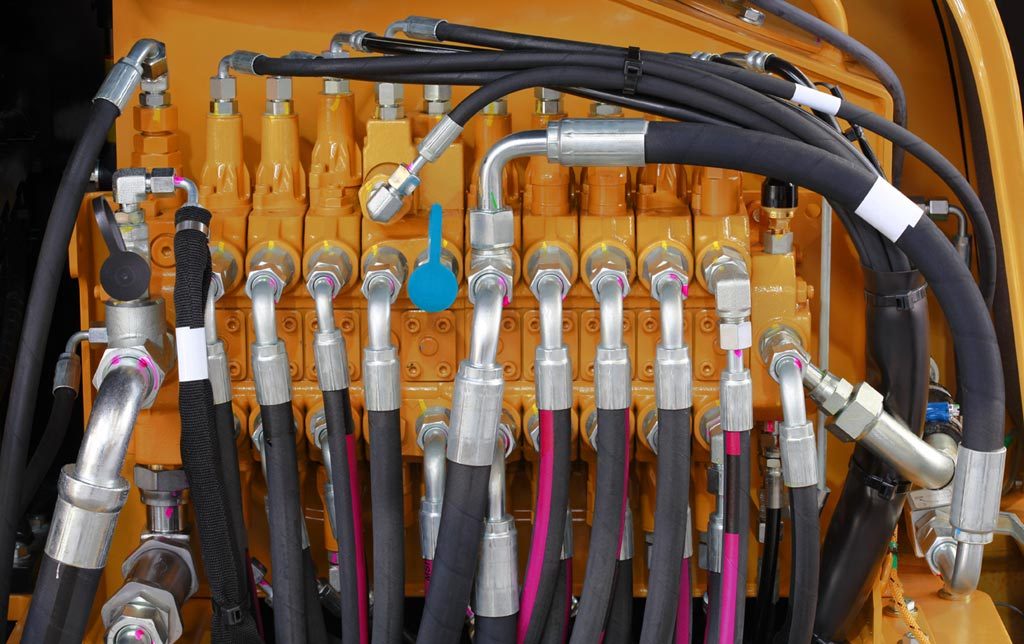
A hydraulic hose is a hose that is constructed of strengthened high-pressure, synthetic rubber and thermoplastic or Teflon. Hydraulic hoses were first invented in the early 1940s when engineers found that hydraulic systems were light-weighted, self-lubricating and more compacted. Since then, the development of flexible hydraulic hoses have opened its way further to the growth of a vast array of new high-powered machines that are based on hydraulic technology.
Hydraulic hoses have 2 functions: to enable movement between two port locations, and to lower the effects of vibration. A hydraulic hose transfers fluids to transmit force within hydraulic machinery. Here are some interesting facts you might not know about hydraulic hoses:
1. Hydraulic hoses are made up of a number of materials.
- The most common materials used to produce hydraulic hoses are rubber
- Materials can vary depending on differing requirements of the equipment.
- There are hydraulic hoses consist of materials such as elastomeric, fluoropolymer, thermoplastic and sometimes even metal.
2. The lifespan and service life of a hydraulic hoses can be hard to predict as there are many variable elements to be taken into consideration. Some of the main factors to consider would include:
- The size of the hydraulic hose
- The temperature
- Application
- Media
- Pressure.
3. The Hose and the Oil Need Each Other to Work
- The parts of a hose is the most noticeable and tactile out of every part of your hydraulic system. They seem to be relatively far apart from the pump and the other internal parts.
- One must remember that the hydraulic fluid or oil is the substance that ties and fastens the hoses to the rest of the components. If your hydraulic oil lacks purity, it will affect the hoses’ usability and efficiency.
- One must make sure to replace the filter as often as possible.
- A filter helps keep your oil clean, and improves the durability of the hoses over time.
4. Flexibility can Limit the Hydraulic System
- Rubber hoses seem like a typical option to hydraulic installations.
- Rubber hoses can bend and flex while tolerating moderate heat and pressure.
- However, you should not overlook other materials for hydraulic hoses as well.
- Some hydraulic systems need many different hydraulic hose sizes that are composed of tougher substances. Some rubber hoses tend to break down faster, which causes you to adapt the components for the system’s operations.
- One would think of metal as either a flexible or stiff design. Metal hydraulic hoses can fight off expansion, contraction and instability of pressure. Metal isn’t ensured to work in every system, but it can ensure job efficiency and profits.
5. Hydraulic hoses are typically made from three parts, which are:
- The inner tube (carries fluid)
- Reinforcement layer
- Protective outer layer
Based on the 5 interesting things stated above, that you might be aware of about hydraulic hoses, but now you would have learned about these little-known details about how hydraulic hoses work.