


Beginner Guide: How Pressure Regulators Work in Malaysian Industrial Systems
Pressure regulators are essential devices used in nearly every industrial system that handles fluids or gases. In Malaysia’s diverse industrial sector, including electronics, steel, automotive, oil and gas, and food processing, these components ensure safety, equipment longevity, and efficient operations. This beginner guide explains how pressure regulators work, their role in industrial environments, and how they interact with other key components like hoses, seals, and fittings. For readers comparing options, Pressure Regulator Malaysia is the main topic this guide explains.
What Is a Pressure Regulator?
A pressure regulator is a mechanical device designed to automatically control and maintain a constant output pressure, even if the input pressure varies. Industrial systems often experience fluctuating pressures due to changes in supply, demand, or operational cycles. Without regulation, equipment can become damaged, seals may fail, and processes can become unsafe or inefficient.
Pressure regulators are widely used in Malaysia’s industrial settings, from hydraulic presses and pneumatic conveyors to chemical processing plants and water treatment facilities. They are found in both high and low-pressure applications and are critical for the reliable operation of complex machinery.
How Pressure Regulators Work: The Basics
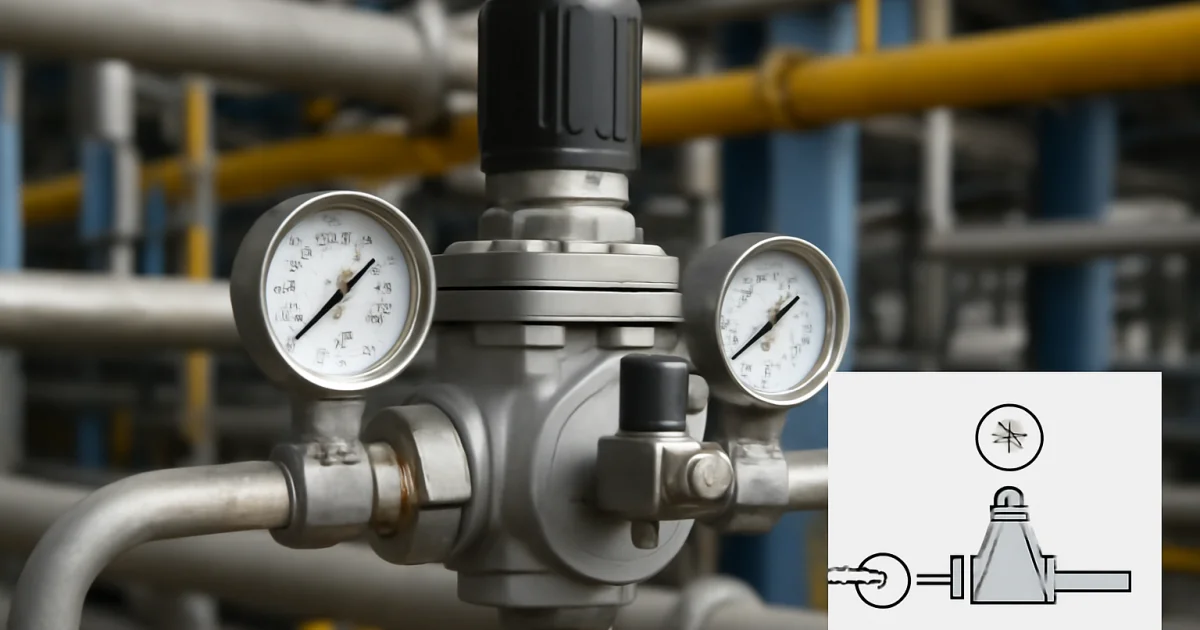
Pressure regulators typically consist of three main parts: the inlet port, the regulation mechanism (often a spring and diaphragm), and the outlet port. Here’s a simple explanation of the working principle:
- Inlet Port: Receives the high or fluctuating pressure fluid or gas from the supply.
- Regulation Mechanism: The core of the regulator, usually made up of a spring, diaphragm, and valve. As pressure enters, the diaphragm senses the outlet pressure. If the pressure rises above the set point, the spring and valve adjust to restrict flow, lowering the pressure. If the pressure drops, the valve opens further to increase flow and maintain the set pressure.
- Outlet Port: Delivers the controlled, steady pressure needed by downstream equipment.
This automatic adjustment keeps the system pressure stable, even as the supply side fluctuates.
Types of Pressure Regulators Used in Malaysian Industries
Industrial systems in Malaysia use several types of pressure regulators, each suited for specific applications:
- Direct-Acting Regulators: Simple and fast-responding, ideal for low and medium pressure applications. Common in pneumatic systems and water supply lines.
- Pilot-Operated Regulators: Used for higher pressure and more precise control. These use an additional pilot valve to sense and adjust main flow, making them suitable for hydraulic systems, petrochemical processing, and advanced manufacturing.
- Specialty Regulators: Designed for specific media, such as corrosive chemicals, steam, or food-grade fluids. These often feature specialized seals, O-rings, and body materials to withstand harsh environments.
Choosing the right regulator involves understanding the application, media type, desired output pressure, and compatibility with other components like industrial hoses, tube fittings, and valves.
Why Are Pressure Regulators Important in Industrial Systems?
Pressure regulators offer several benefits crucial to Malaysian industries:
- Protecting Equipment: Stable pressure prevents damage to sensitive machinery, hydraulic hoses, and seals. Overpressure can cause leaks, rupture pipes, or degrade pneumatic seals, leading to costly downtime.
- Ensuring Safety: Proper regulation reduces the risk of accidents, especially in high-pressure or hazardous fluid systems. Consistent pressure also helps maintain the integrity of oil seals and O-rings, preventing leaks and contamination.
- Improving Efficiency: By keeping pressure within optimal ranges, regulators ensure that processes run smoothly, with less wasted energy and fewer interruptions.
- Extending Component Life: Pressure fluctuations can wear out valves, fittings, and hoses. Regulators help minimize wear, reducing the need for frequent maintenance or replacement.
In industries such as electronics manufacturing, steel production, and petrochemicals, these benefits directly impact productivity and product quality.
Key Components Associated with Pressure Regulators
Pressure regulators do not work alone; they are part of a larger system involving many other components. Understanding these connections is important for engineers and technical staff:
- Industrial Hoses and Tubing: These transport fluids or gases to and from the regulator. Choosing hoses with suitable pressure ratings is critical. For example, hydraulic hoses and industrial hose fittings are widely used in Malaysian factories.
- Valves and Fittings: Regulate, direct, or stop fluid flow. High-pressure fittings and specialized valves allow safe integration with pressure regulators.
- Seals, O-Rings, and Gaskets: Prevent leaks at joints and connections. Selecting the right type (such as oil seals for lubricated systems or pneumatic seals for air systems) is essential for long-term reliability. More details about O-rings can be found on the O Rings page.
- Flanges and Pipes: Provide secure connections in larger piping systems. Products like ANSI flanges are designed to meet international standards, crucial for high-pressure or critical systems.
Where Are Pressure Regulators Commonly Used?
In Malaysia, pressure regulators are found in many industries, including:
- Electronics & Semiconductor Manufacturing: For precise gas and liquid delivery in cleanroom environments.
- Steel Mills & Metal Fabrication: To control hydraulic pressure in heavy machinery and protect hoses and seals.
- Automotive Production: In paint lines, air tools, and hydraulic presses.
- Oil, Gas & Petrochemical: For safe handling of high-pressure fluids, often requiring specialized valves, flanges, and seals.
- Food, Beverage & Water Treatment: To stabilize pressure in processing and treatment pipelines, ensuring consistent product quality and safety.
Proper selection and maintenance of pressure regulators are crucial for compliance with industry standards and smooth, safe operations in these sectors.
Best Practices for Maintenance and Selection
New engineers and maintenance teams should follow these guidelines for optimal pressure regulator performance:
- Correct Sizing: Choose a regulator based on maximum expected flowrate and pressure range, considering both the input and output requirements of your system.
- Material Compatibility: Ensure that the regulator and its seals (O-rings, gaskets) are compatible with the media—whether oil, water, gas, or chemicals. This prevents premature failure or leaks.
- Regular Inspection: Periodically check for signs of wear, leaks, or pressure instability. Inspect connected hoses, tube fittings, and valves for integrity.
- Adherence to Standards: Use components such as ANSI-rated flanges and certified valves for critical applications, ensuring compatibility and safety.
- Professional Support: Consult with technical experts or trusted suppliers, such as Sunseal Enterprise Sdn. Bhd., for advice on selecting and maintaining pressure regulators and associated components.
Conclusion: The Value of Understanding Pressure Regulators
Pressure regulators are fundamental elements in Malaysian industrial systems, supporting safe, efficient, and reliable operations. For new engineers and maintenance staff, understanding the basics of how these devices work—and how they interact with hoses, seals, valves, and fittings—lays the groundwork for effective equipment management. Investing time in proper selection, installation, and routine maintenance of pressure regulators not only enhances safety but also ensures the long-term success of any industrial operation.
Frequently Asked Questions
What is a pressure regulator and why is it important in industrial systems?
A pressure regulator is a device that maintains a constant output pressure regardless of input fluctuations. In industrial systems, it protects equipment, ensures safety, and keeps processes running efficiently by preventing overpressure and leaks.
How do I choose the right pressure regulator for my application?
Select a pressure regulator based on your system’s required flow rate, input and output pressure ranges, and the compatibility of materials with the media being handled. For specialized needs, consult with suppliers or technical experts to ensure proper selection.
What other components should be used with a pressure regulator?
Pressure regulators work best with compatible hoses, tube fittings, valves, seals, O-rings, and flanges. Choosing quality components that meet relevant standards, such as ANSI flanges for high-pressure systems, enhances safety and reliability.
How often should pressure regulators be inspected or maintained?
Regular inspection is recommended, typically every 6 to 12 months, depending on usage and operating conditions. Look for leaks, pressure instability, or component wear, and replace seals or fittings as needed.
What does ANSI mean in the context of industrial components?
ANSI stands for the American National Standards Institute. In industrial components, ANSI standards ensure consistent quality, safety, and compatibility—particularly for items like flanges, valves, and fittings used in pressure systems.
Need Reliable Pressure Regulators or Industrial Components?
Sunseal Enterprise Sdn. Bhd. supplies pressure regulators, hydraulic and industrial hoses, tube fittings, valves, seals, and other components trusted by factories across Malaysia. Our technical support helps you select the right solutions for safe, efficient, and durable operations. Contact us to discuss your next project or maintenance needs with our experienced team.