

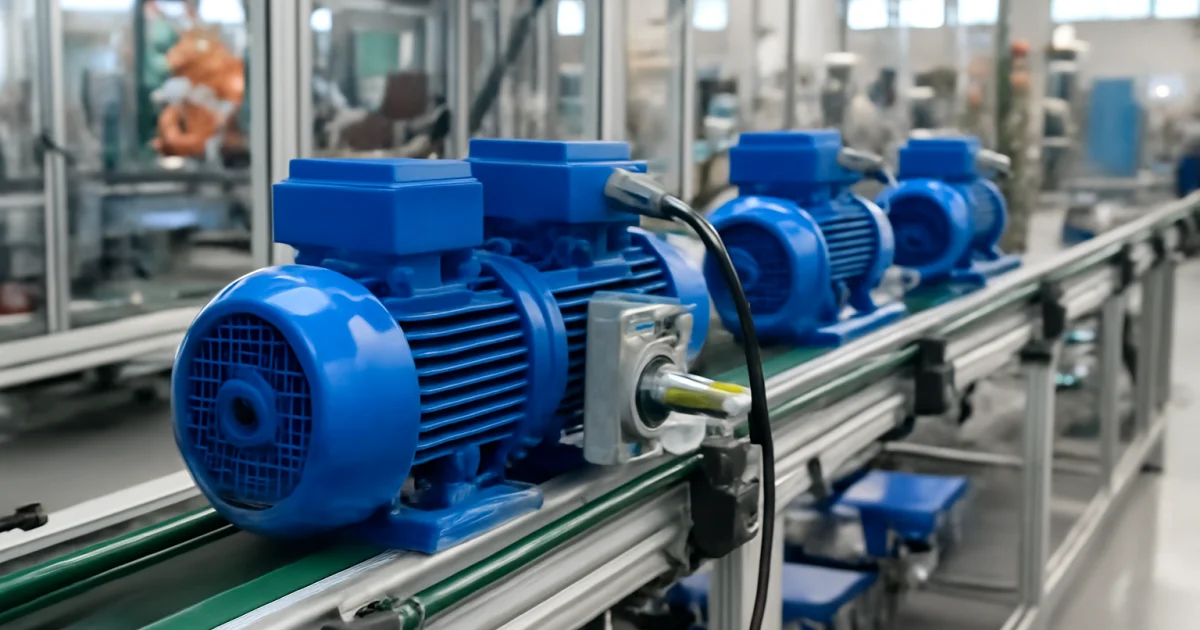

The Rise of Induction Motor Applications in Malaysian Industries
Industrial Malaysia is undergoing a transformation as the demand for efficient, reliable, and scalable production systems intensifies. At the heart of this evolution lies a technology that has quietly powered countless factories for decades—the induction motor. Today, induction motors are experiencing a significant resurgence, driven by advances in automation, energy efficiency, and the need for robust, low-maintenance solutions. This article explores the rise of induction motor applications across Malaysian industries, the factors fueling this growth, and what it means for plant engineers, industry analysts, and business leaders. For readers comparing options, Induction Motor Malaysia is the main topic this guide explains.
Understanding Induction Motors: Fundamentals and Advantages
Induction motors work on the principle of electromagnetic induction, converting electrical energy into mechanical motion. Unlike other electric motor types, they do not require brushes or commutators, resulting in lower maintenance and longer operational lifespans. These qualities make induction motors particularly suitable for industrial environments demanding reliability and durability.
Key advantages of induction motors include:
- Durability: With fewer moving parts, induction motors are less prone to wear and tear.
- Cost-effectiveness: Their simple construction translates to lower upfront and maintenance costs.
- Energy Efficiency: Modern induction motors are designed for optimal efficiency, reducing energy consumption and operational expenses.
- Versatility: Suitable for a wide range of industrial and commercial machinery, from pumps and compressors to conveyor belts and fans.
Key Drivers Behind the Surge in Induction Motor Adoption
Several factors are accelerating the adoption of induction motors across Malaysia’s industrial landscape:
- Automation and Industry 4.0: The shift towards smart manufacturing and automated processes demands reliable, scalable motor solutions. Induction motors integrate easily with programmable logic controllers (PLCs) and industrial automation systems.
- Energy Efficiency Regulations: Malaysian industries are increasingly prioritizing energy-efficient components to comply with sustainability targets and lower operational costs. Induction motors, especially those rated for high efficiency, meet these requirements.
- Demand for Low-Maintenance Solutions: In sectors such as oil & gas, steel mills, and automotive manufacturing, minimizing downtime is essential. Induction motors offer robust performance with minimal maintenance intervention.
- Cost Pressures: As global supply chains become more competitive, Malaysian manufacturers seek reliable solutions that reduce total cost of ownership. Induction motors deliver both upfront affordability and long-term savings.
Sector-Wise Applications: Where Induction Motors Excel
The versatility of induction motors enables their use across a broad array of Malaysian industries. Here’s how they are powering growth in key sectors:
Electronics and Semiconductor Manufacturing
Precision and reliability are crucial in semiconductor production. Induction motors drive conveyor systems, wafer fabrication equipment, and cleanroom air handling units. Their smooth, continuous operation ensures consistent product quality and process control.
Steel Mills and Metal Fabrication
Heavy-duty induction motors are vital for rolling mills, presses, pumps, and industrial fans. Their rugged construction withstands harsh environments, while high starting torque meets the demands of heavy machinery.
Automotive and Engineering
Automotive assembly lines in Malaysia rely on induction motors for material handling, paint booths, and robotic systems. Their integration with hydraulic and pneumatic controls creates seamless, efficient workflows.
Oil, Gas, and Petrochemical
In these sectors, induction motors power pumps, compressors, and pipeline systems. Their ability to operate safely in explosive or corrosive environments is enhanced by robust seals, oil-resistant hoses, and industrial fittings, all critical for fluid control and safety compliance.
Aerospace, Shipbuilding, and Precision Engineering
Induction motors provide dependable motion control for CNC machines, testing equipment, and shipyard automation. Their reliability ensures the precision required in sophisticated engineering and marine applications.
Food, Beverage, and Water Treatment
From bottling plants to water treatment facilities, induction motors drive pumps, mixers, and conveyors. Their sanitary design options and compatibility with industrial hoses, tube fittings, and seals make them ideal for these regulated environments.
Supporting Components: The Role of Industrial Hoses, Seals, and Fittings
While induction motors deliver mechanical power, their performance depends on the quality of supporting components. Properly specified hydraulic hoses and components, oil seals, pneumatic seals, and tube fittings are essential for safe and efficient motor operation. In applications where fluid handling is critical—such as hydraulic systems or automated process lines—reliable hoses and fittings help prevent leaks, reduce downtime, and ensure compliance with industry standards.
Suppliers like Sunseal Enterprise Sdn. Bhd. provide a wide range of industrial hoses, tube fittings, O-rings, valves, and motor and pump systems tailored for Malaysia’s unique industrial needs. Selecting components that match the demands of induction motor systems is essential for long-term reliability and operational efficiency.
Standards and Compliance: Meeting Industrial Expectations
As industries modernize, adherence to recognized standards becomes vital. For instance, using ANSI-compliant flanges and fittings ensures that piping systems connected to induction motors meet strict safety and performance requirements. This is especially important in high-pressure or hazardous environments such as petrochemical plants and steel mills. Understanding what ANSI means—and why it matters—can guide procurement and engineering teams toward better component choices and safer installations.
Practical Considerations for Implementing Induction Motors
When industrial operators in Malaysia plan to adopt or upgrade induction motor systems, several practical aspects should be considered:
- Sizing and Specification: Select motors with the appropriate power rating, voltage, and efficiency class for each application.
- Integration: Ensure compatibility with automation systems, hydraulic and pneumatic components, and fluid-handling accessories.
- Maintenance: Use quality oil seals, hose protectors, and regular inspection routines to maximize uptime and equipment lifespan.
- Sourcing: Choose suppliers with a broad product range and technical support, capable of providing motors, hoses, valves, and accessories in one stop.
By making informed choices, plant engineers and maintenance teams can optimize system reliability and efficiency, helping Malaysian industries stay ahead in a competitive regional landscape.
Conclusion: Induction Motors as a Cornerstone of Malaysia’s Industrial Future
The adoption of induction motors is accelerating across Malaysian industries, driven by demands for reliability, efficiency, and adaptable automation. Supported by high-quality hoses, seals, tube fittings, and compliant accessories, these motors are poised to remain at the core of industrial innovation for years to come. As the country’s manufacturing, petrochemical, and engineering sectors evolve, investing in robust induction motor solutions will be key to achieving operational excellence and sustainable growth.
Frequently Asked Questions
What are the main benefits of using induction motors in industrial applications?
Induction motors offer high reliability, low maintenance, energy efficiency, and cost-effectiveness. Their robust construction makes them ideal for continuous operation in demanding industrial environments.
How are induction motors used in the oil, gas, and petrochemical industries?
In these sectors, induction motors power pumps, compressors, and pipeline equipment. Their ability to operate safely in harsh and hazardous environments, combined with proper oil seals and industrial hoses, makes them a preferred choice.
Why is it important to use quality hoses and fittings with induction motors?
High-quality hoses, fittings, and seals are essential for safe and efficient fluid handling, reducing leaks and maintenance needs. They ensure that induction motor-driven systems meet safety and industry compliance standards.
What is ANSI, and why does it matter for industrial motor systems?
ANSI stands for the American National Standards Institute. It sets standards for industrial components like flanges and fittings. Using ANSI-compliant parts ensures safety, compatibility, and reliability in motor-driven systems.
Where can Malaysian industry professionals source induction motors and supporting components?
Companies like Sunseal Enterprise Sdn. Bhd. provide a comprehensive range of induction motors, hydraulic hoses, tube fittings, valves, seals, and technical support tailored for Malaysian industrial requirements.
Empower Your Operations with Reliable Induction Motor Solutions
Ready to upgrade your industrial systems with dependable induction motors and premium fluid-control components? Sunseal Enterprise Sdn. Bhd. offers a complete range of motors, hoses, seals, tube fittings, valves, and technical support to meet Malaysia’s most demanding industrial needs. Partner with us for quality, expertise, and seamless integration across your manufacturing or engineering projects.